
The creator economy in 2026 is bigger, smarter, and more structured than it’s ever been. Content creators are no longer just posting for fun or side income. Many are running full-fledged businesses, supported by a range of tools, platforms, and partnerships. From online educators and streamers to niche influencers and community leaders, creators are turning their digital presence into careers with long-term potential. The way creators earn, grow, and connect has changed and it’s shaping the future of work.
At JK Ambassadors, we work directly with creators and brands to build partnerships that make sense. We’ve helped creators turn what they love into lasting success by offering hands-on support, strategic guidance, and access to meaningful brand opportunities. With years of experience across industries and platforms, we understand what it takes to grow in a fast-moving digital world. We don’t just watch the creator economy evolve, we help drive it.
In this piece, we will be discussing the creator economy in 2026 and how creators are making money through different revenue streams, platforms, and partnerships.
The creator economy in 2026 refers to the growing ecosystem of independent content creators, influencers, educators, and entrepreneurs who earn a living by producing and sharing content online. Powered by digital platforms and shifting audience behavior, the creator economy is no longer a niche concept. It’s now a mainstream industry with its own infrastructure, revenue models, and professional standards.
In 2026, creators are not limited to traditional social media personalities. They include podcasters, livestreamers, writers, niche educators, and even community builders on private platforms. What they all have in common is the ability to monetize their content, skills, or influence, often directly with their audiences. The focus has shifted from virality to sustainability, with creators seeking long-term value instead of short-term reach.
Technology continues to play a major role, but the creator economy today is about more than just tools. It’s about ownership, diversified income, and audience trust. Creators are building personal brands that behave more like micro-businesses. This shift has opened up new opportunities for both creators and the partners who support them, such as talent agencies, platforms, and specialized service providers.
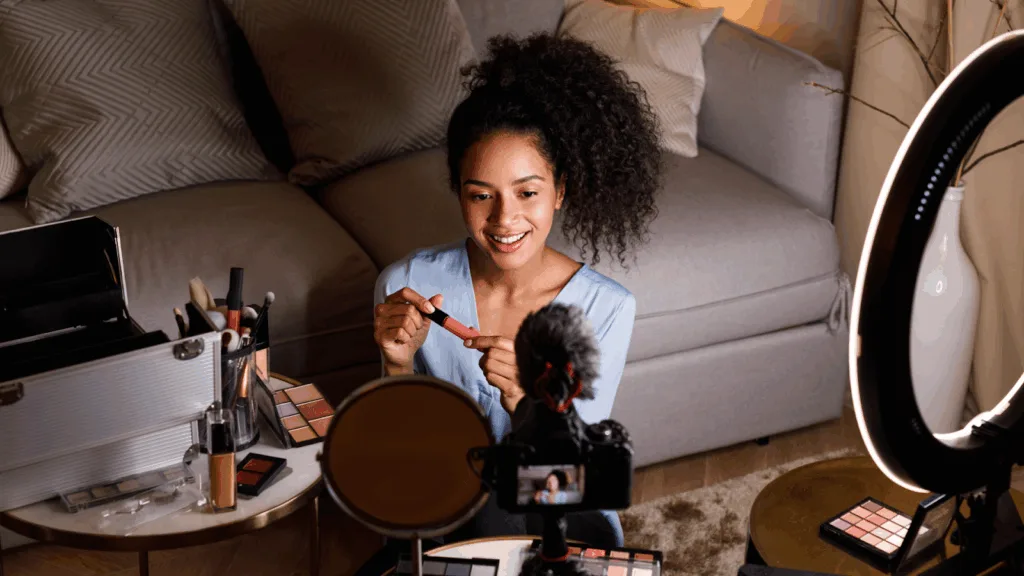
The creator economy has changed significantly as platforms, audiences, and monetization models have matured. Creators in 2026 operate in a more structured and competitive environment than in previous years. This evolution has reshaped how creators build audiences, generate income, and view their work as a business:
What once started as casual content creation has developed into a legitimate career path. Many creators now approach their work with clear strategies, financial planning, and long-term goals. The creator economy supports full-time income opportunities that rival traditional employment for those who treat creation as a business.
Creators are placing greater emphasis on building loyal, engaged communities rather than chasing large follower counts. Direct communication through newsletters, private groups, and subscription platforms has become common. This shift allows creators to maintain stronger connections and more predictable revenue streams.
As platforms evolve, creators must adapt to changing algorithms, monetization rules, and content formats. Some platforms now offer built-in revenue tools, while others prioritize discoverability or community engagement. This constant change has pushed creators to diversify where and how they show up online.
Earning a living as a creator in 2026 involves more than just ad revenue. The most successful creators diversify their income across multiple sources. Here’s a closer look at the key revenue streams shaping the creator economy today:
Subscriptions, memberships, and tipping platforms have become stable sources of income. Audiences are more willing to pay for exclusive content, early access, or simply to support creators they value. This model creates recurring revenue and reduces dependence on algorithm-driven visibility.
Brand deals remain a major income driver, especially for creators with strong niche audiences. In 2026, these collaborations often go beyond one-off posts, evolving into long-term partnerships, product co-creation, and affiliate arrangements. Authenticity and alignment between brand and creator are more important than ever.
Many creators now offer their own digital products such as eBooks, templates, and online courses. These assets allow creators to monetize their expertise and generate income without needing a large audience. Educational content has especially grown in popularity as more people seek trusted, creator-led learning.
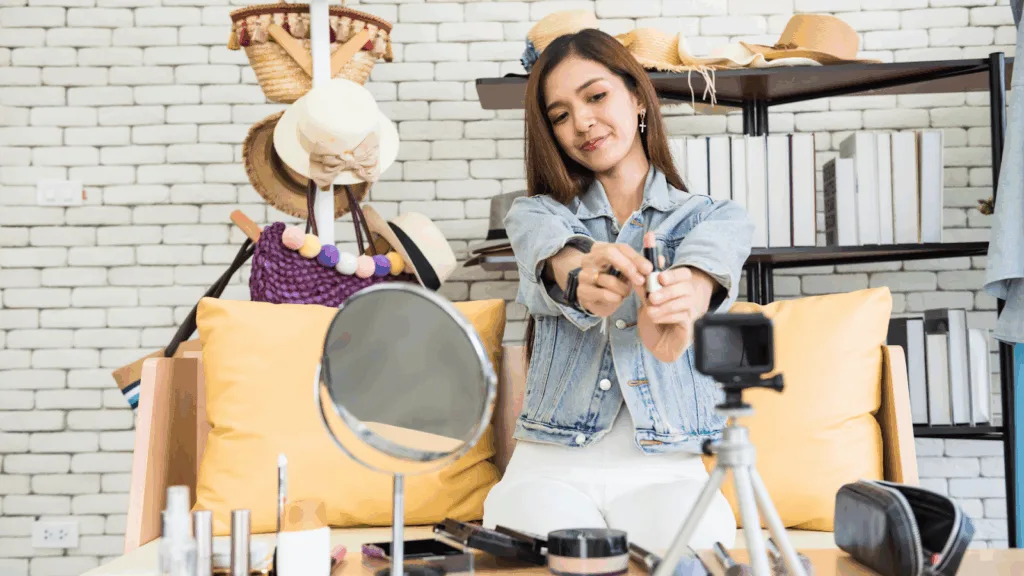
In 2026, creators are no longer tied to just one or two platforms. They spread their content across different spaces to reach wider audiences and build stronger communities. Some platforms have emerged as leaders by offering tools that directly support creator growth and monetization:
Platforms like TikTok, Instagram Reels, and YouTube Shorts continue to drive massive engagement. Their algorithms favor creative storytelling and trend adaptation, allowing even smaller creators to gain visibility. Monetization features, like creator funds and in-video tipping, have made these platforms more financially viable.
YouTube and podcast networks still offer value for creators who prioritize depth over speed. Long-form formats allow for in-depth discussions, tutorials, and storytelling that builds trust with audiences. Ad revenue, sponsorships, and fan support tools make these platforms profitable for creators with consistent output.
Platforms like Patreon, Substack, and even private Discord or Slack communities have become essential for audience retention. They offer creators a space to connect directly with supporters without relying on algorithm-driven visibility. These platforms also give creators more control over how they package and deliver their content.
As the creator economy grows, so does the sophistication of how creators earn through partnerships and their own communities. In 2026, creators are no longer seen as influencers but as strategic partners and community leaders. This shift has opened new opportunities that prioritize long-term value over one-off transactions:
Brands in 2026 are looking for more than reach; they want creators who understand storytelling, engagement, and niche influence. Campaigns have evolved from simple promotions into multi-touch collaborations that include co-branded products, social storytelling, and user-generated content strategies. These partnerships are often built on shared values and clearly defined goals.
Creators have started to treat their communities as micro-economies. With private groups, gated content, and live events, they offer members experiences that feel personal and valuable. This creates space for monetization through subscriptions, exclusive drops, and even fan-led funding.
Audiences now expect creators to be selective about brand relationships. Creators who prioritize alignment over payment tend to see better results with both fans and partners. The most effective collaborations are the ones that feel like a natural extension of the creator’s message and style.
JK Ambassadors operates at the intersection of talent, strategy, and opportunity in the creator economy. In 2026, the landscape demands more than visibility; it requires creators to think like business owners and align with the right support systems. That’s where agencies like JK Ambassadors bring long-term value to creators and brands alike:
JK Ambassadors offers more than just brand deal negotiation. The agency works closely with creators to shape their personal brands, develop monetization plans, and identify growth opportunities tailored to their audience. This level of partnership helps creators focus on creativity while building sustainable careers.
By understanding both sides of the table, JK Ambassadors matches creators with brands that fit their voice and values. These aren’t one-size-fits-all deals; they’re thoughtful collaborations designed to deliver results and retain authenticity. The agency takes care to ensure both creators and brands benefit from shared success.
The creator economy in 2026 moves quickly, and staying ahead of trends is critical. JK Ambassadors helps creators make informed decisions about platforms, revenue streams, and legal protections. With deep industry knowledge and a hands-on approach, the agency positions its talent for long-term impact.
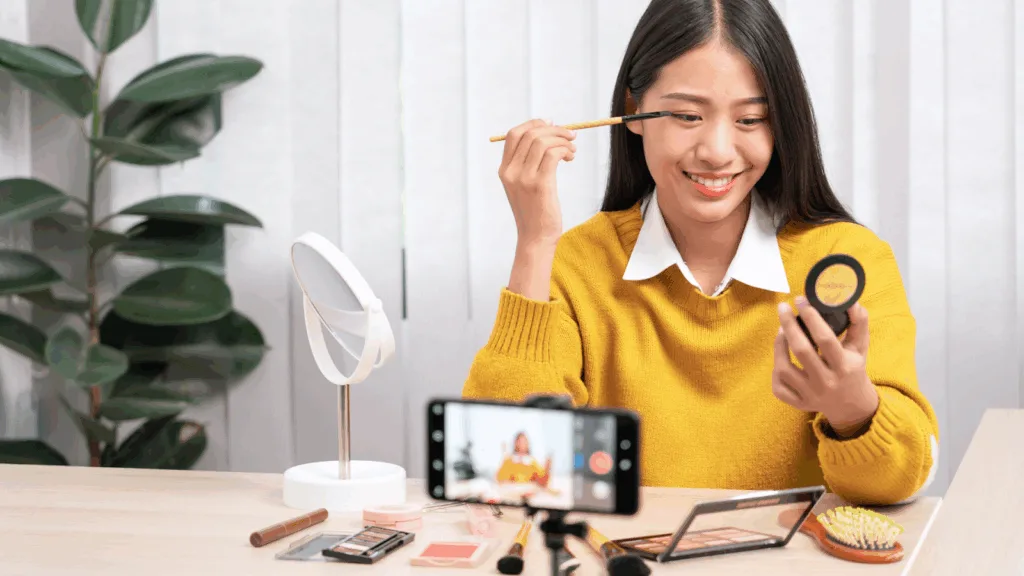
The creator economy in 2026 is more established, more diverse, and more sustainable than ever before. Creators have transformed from content publishers into full-scale entrepreneurs, building careers that combine creativity, business acumen, and community connection. As platforms evolve and opportunities expand, the most successful creators are those who stay adaptable, intentional, and aligned with their values.
Support systems like JK Ambassadors play an important role in helping creators grow with purpose. By offering strategic guidance and brand alignment, agencies can empower creators to focus on what they do best while navigating a complex digital landscape. The future of the creator economy belongs to those who treat their work seriously and build with authenticity.
Whether through direct support, brand partnerships, or digital products, creators now have more control over their careers than ever before. The challenge ahead lies in staying focused, maintaining trust, and continuing to evolve with an industry that shows no signs of slowing down.
Beyond entertainment and fashion, industries like education, finance, health, and tech have embraced creators for niche audience engagement and thought leadership.
Micro-creators often earn through tight-knit communities, direct support, and affiliate partnerships, relying less on large brand sponsorships and more on trust.
No. In 2026, many creators succeed by focusing on platforms that align with their content style and audience behavior rather than spreading themselves thin.
Creators must navigate contracts, intellectual property rights, disclosures, and tax responsibilities, often requiring legal guidance or representation.
Time management, hiring support teams, setting boundaries, and prioritizing audience quality over quantity are key methods used to prevent burnout.
Yes. Journalists, filmmakers, and broadcasters are leveraging their skills on independent platforms, often finding more creative freedom and revenue control.
Creators now monitor metrics like audience retention, conversion rates, recurring revenue, and community engagement to measure long-term success.
Are you 21 or Older?
Please verify that you are 21 years of age or older to enter this site.
NO MINORS!