
User-generated content, or UGC, has become one of the most effective ways for brands to connect with audiences online. Instead of relying on traditional ads or influencer shoutouts, many companies are now paying everyday creators to produce content that feels genuine, relatable, and natural. UGC creators are behind the scenes, producing product reviews, how-to videos, unboxings, and other engaging formats that look like they came from real customers. This style of content builds trust and helps brands reach people in a more meaningful way.
At JK Ambassadors, we work directly with emerging creators and connect them with real brand opportunities. Our mission is to give content creators the tools, resources, and access they need to grow in the UGC space. With a strong network of brands and a focus on collaboration, we help creators turn content skills into paid work without needing a large following or influencer status.
A UGC creator is someone who produces content that looks and feels like it was made by a real customer, but is often created specifically for a brand. UGC stands for “user-generated content,” which originally referred to unpaid content made by actual users. Today, brands hire UGC creators to produce videos, photos, or written posts that mimic that authentic style.
Unlike traditional influencers, UGC creators don’t need a large following. The value lies in the content itself, not the creator’s audience. Brands use this content in paid ads, on product pages, and across their social media to build trust through relatable storytelling and everyday experiences.
This type of content is highly effective because it doesn’t feel like an ad. It feels like advice or feedback from someone just like the viewer.
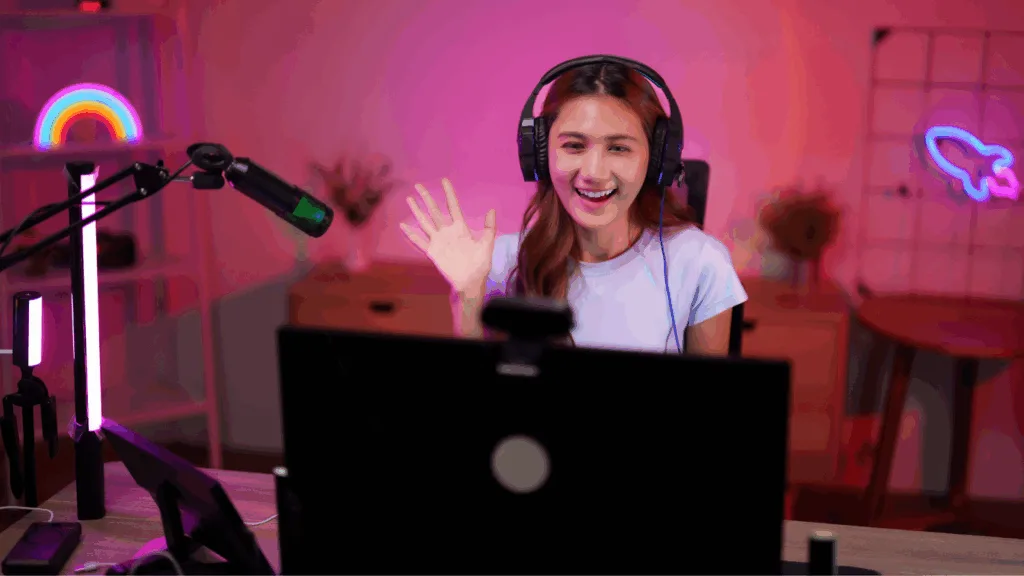
UGC creators and influencers often get grouped together, but their roles in the marketing world are quite different. While both produce content for brands, their purpose, approach, and audience influence vary. Here’s how they compare across a few key areas:
Influencers typically build a personal brand and grow a large audience on platforms like Instagram, TikTok, or YouTube. Their value to brands lies in their reach and the ability to promote products directly to their followers. UGC creators, on the other hand, don’t need a public following because their content is made for the brand to use on its own channels.
With influencers, the content often lives on their profiles as part of a sponsorship or collaboration. UGC creators usually produce content that is handed over to the brand, who then uses it for advertising, social media, or websites. This gives brands more control over how, where, and when the content appears.
Influencer content leans into personality and audience trust, making it feel more like a personal recommendation. UGC content is designed to feel like an organic, unbiased customer experience, making it highly effective in building trust without relying on the creator’s persona. The goal is relatability, not influence.
The demand for UGC creators is growing across industries. Brands are increasingly turning to everyday content styles that connect with consumers on a personal level. Here’s why UGC has become a valuable part of digital marketing strategies:
People are more likely to trust real-looking content than polished ads. UGC mimics genuine customer experiences, making it easier for viewers to relate and engage. This authenticity helps brands cut through the noise in crowded social feeds.
Hiring a UGC creator is often more affordable than running large-scale influencer campaigns or producing traditional commercials. Brands receive high-quality visuals that feel personal, without the need for studio setups or celebrity endorsements. This makes UGC an efficient option for both startups and established companies.
UGC content isn’t limited to social media. Brands use it in paid ads, email campaigns, landing pages, and even product pages. Its adaptable format makes it a valuable asset across the marketing funnel.
One of the most appealing aspects of UGC creation is how accessible it is. Unlike traditional influencer work, there are no strict requirements around follower count or personal branding. Here’s what makes it open to nearly everyone:
UGC creators aren’t hired for their audience, they’re hired for their content. Whether you have 50 followers or 50,000, brands are looking for creators who can produce relatable, high-quality videos or photos. The focus is on storytelling and authenticity, not social metrics.
Brands want content that looks like it came from real customers. That means creators of all ages, backgrounds, and lifestyles are needed. Whether you’re a student, parent, traveler, or someone who enjoys making videos at home, there’s a place for you in the UGC space.
You don’t need a full production setup to start creating UGC. A smartphone with a decent camera, natural lighting, and a clear voice can go a long way. Many successful UGC creators start with what they already have at home.
Getting started as a UGC creator doesn’t require a complex setup or advanced editing skills. What matters most is creating content that feels natural, clear, and engaging. Here are the essential steps to begin your journey:
Start by watching UGC-style videos and branded content across platforms like TikTok, Instagram, and YouTube Shorts. Notice how the tone feels casual and the creators speak directly to the camera. This research helps you understand the format brands are looking for.
Pick a product you already use and try filming a 15 to 30-second video sharing your honest experience. Focus on sounding natural and conversational. You can use your phone and simple video editing apps like CapCut or InShot to clean up the footage.
Brands want to see samples before hiring you. Upload your best UGC-style videos to a shared drive or create a portfolio using platforms like Canva, Notion, or a simple Google Drive folder. This shows you’re ready for collaboration even without past clients.
Even though a large following isn’t required, having a public-facing profile helps with visibility. Post your content on TikTok or Instagram under a creator-focused username. This acts as a living resume where brands can see your work in action.

Once you’ve built a few samples and understand how UGC works, the next step is turning your content into income. There are several ways to start getting paid for your videos and photos. Here’s where many new creators begin:
There are platforms designed to connect UGC creators with brands. Websites like Collabstr, Trend, and JoinBrands allow you to create a profile, upload samples, and apply for paid gigs. These platforms are beginner-friendly and often host brands looking for fresh content.
Once you have a small portfolio, consider pitching your services to brands via email or direct message. Focus on small to mid-sized businesses that may not have large creative teams. A simple message with a link to your work and a clear offer can open the door to paid projects.
Many creators earn money by offering UGC packages on platforms like Fiverr or Upwork. You can create listings for video testimonials, unboxing videos, or product demos. Clear pricing and turnaround times help build trust with potential clients.
As a UGC creator, it’s important to know how your content will be used. Brands may want full rights to use your videos in ads or across social media. Pricing should reflect whether your content is for organic use, paid campaigns, or long-term licensing.
As the creator economy expands, having guidance and structure can make a big difference. JK Ambassadors offers support to individuals stepping into UGC work by providing access to real opportunities and a community of like-minded creators. Here’s how the brand helps bridge the gap between aspiring creators and paid work:
JK Ambassadors gives creators a chance to work with actual brands, helping them build a stronger portfolio with credible experience. This is especially valuable for those just starting out who need real content and client collaborations to showcase.
Many new creators don’t know how to price their content, pitch themselves, or understand licensing terms. JK Ambassadors provides education and resources that simplify these processes. This support helps creators build confidence and avoid common mistakes early on.
Beyond brand partnerships, JK Ambassadors fosters a space where creators can connect, learn, and grow together. This sense of community often leads to shared knowledge, encouragement, and even collaboration opportunities.

Becoming a UGC creator is no longer limited to marketing professionals or full-time influencers. It’s an accessible path for anyone who enjoys creating content and wants to work with brands in a more behind-the-scenes role. As demand grows, opportunities continue to expand for creators who are ready to step in and deliver authentic, relatable content.
JK Ambassadors offers a space for new creators to find their footing, build a portfolio, and connect with real opportunities. Whether you’re testing the waters or aiming to grow a consistent side income, UGC creation is a path worth exploring.
While no formal training is required, skills like basic video editing, clear communication, product showcasing, and understanding content trends are helpful.
Not always. Some UGC creators produce behind-the-scenes content, hands-only tutorials, voiceovers, or product close-ups without ever showing their face.
Yes. Organic UGC is created by customers without compensation, while paid UGC is commissioned by brands for specific use, often in marketing campaigns.
Yes, since UGC creators typically don’t sign exclusivity agreements, they are free to work with different brands across various niches at the same time.
Most creators negotiate usage rights in advance. It’s important to clarify if the brand wants limited use, full rights, or rights to run paid ads with the content.
This depends on local regulations. Some creators operate as freelancers, while others set up an LLC for tax and contract purposes as their income grows.
Yes, but the brand must have permission to do so. This is typically outlined in the agreement and may affect how the creator prices the content.
Are you 21 or Older?
Please verify that you are 21 years of age or older to enter this site.
NO MINORS!